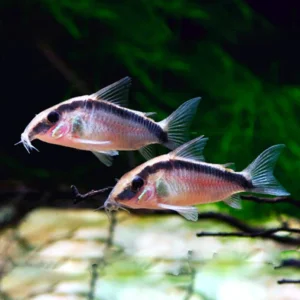
Description
Tank Requirements
- Tank Size:
- A minimum of 20 gallons for a small group (5–6 individuals). A larger tank is preferable for bigger groups to encourage natural behavior.
- Tank Setup:
- Substrate: Use fine sand or smooth gravel to protect their sensitive barbels.
- Decor: Include driftwood, smooth rocks, and caves for hiding and exploring.
- Plants: Add live plants such as Java fern, Amazon swords, or Anubias for shade and security.
- Lighting: Dim to moderate lighting mimics their natural environment.
- Water Flow:
- Gentle water flow is preferred, as they come from slow-moving or still waters. Use a sponge or canister filter to ensure gentle circulation.
Water Parameters
- Temperature: 72–78°F (22–26°C)
- pH: 6.0–7.5 (slightly acidic to neutral)
- Hardness: 2–10 dGH (soft to moderately soft water)
- Ammonia/Nitrite: 0 ppm; nitrates should be kept under 20 ppm.
- Water Changes: Perform 25–30% weekly water changes to maintain optimal water quality.
Diet
Corydoras CW169 are omnivores and require a varied diet:
- Staple Foods:
- High-quality sinking pellets or wafers specifically for bottom-dwelling fish.
- Live/Frozen Foods:
- Supplement with bloodworms, brine shrimp, or blackworms to provide protein.
- Vegetable Matter:
- Occasionally offer blanched vegetables such as zucchini or peas.
- Feeding Schedule:
- Feed once or twice daily, ensuring food reaches the substrate where they forage.
Behavior and Compatibility
- Temperament:
- Peaceful and social, CW169 Corydoras thrive in groups of 5 or more. They exhibit schooling behavior, especially in larger groups.
- Tankmates:
- Ideal companions include other peaceful fish like tetras, rasboras, small gouramis, or other Corydoras species. Avoid aggressive or overly active tankmates.
Breeding
Breeding Corydoras CW169 is possible with proper preparation:
- Breeding Tank:
- Set up a separate tank with soft, slightly acidic water (pH 6.0–6.8) and a temperature of 75–78°F (24–26°C). Include fine-leaved plants or flat surfaces for egg-laying.
- Conditioning:
- Condition adults with a protein-rich diet, including live or frozen foods.
- Spawning Behavior:
- Simulate rainy-season conditions by lowering the water temperature by 2–3°F and performing large water changes. Spawning typically involves the “T-position,” where the male fertilizes the eggs, and the female deposits them on a surface.
- Egg and Fry Care:
- Remove adults post-spawning to prevent egg predation. Eggs hatch in 3–5 days, and fry become free-swimming shortly after. Feed fry with infusoria or powdered fry food, transitioning to baby brine shrimp as they grow.
Common Challenges
- Barbel Health:
- Poor substrate or dirty water can lead to barbel infections. Use fine sand and maintain excellent water quality.
- Stress from Solitude:
- Corydoras CW169 are highly social and require groups of at least five to reduce stress.
- Water Sensitivity:
- They are sensitive to water quality, so consistent maintenance and testing are essential.
Interesting Facts
- The “CW” designation stands for “Corydoras World,” referencing their cataloging in hobbyist databases before formal scientific descriptions.
- Like other Corydoras, they can breathe atmospheric oxygen via their modified intestine, allowing them to survive in low-oxygen environments temporarily.
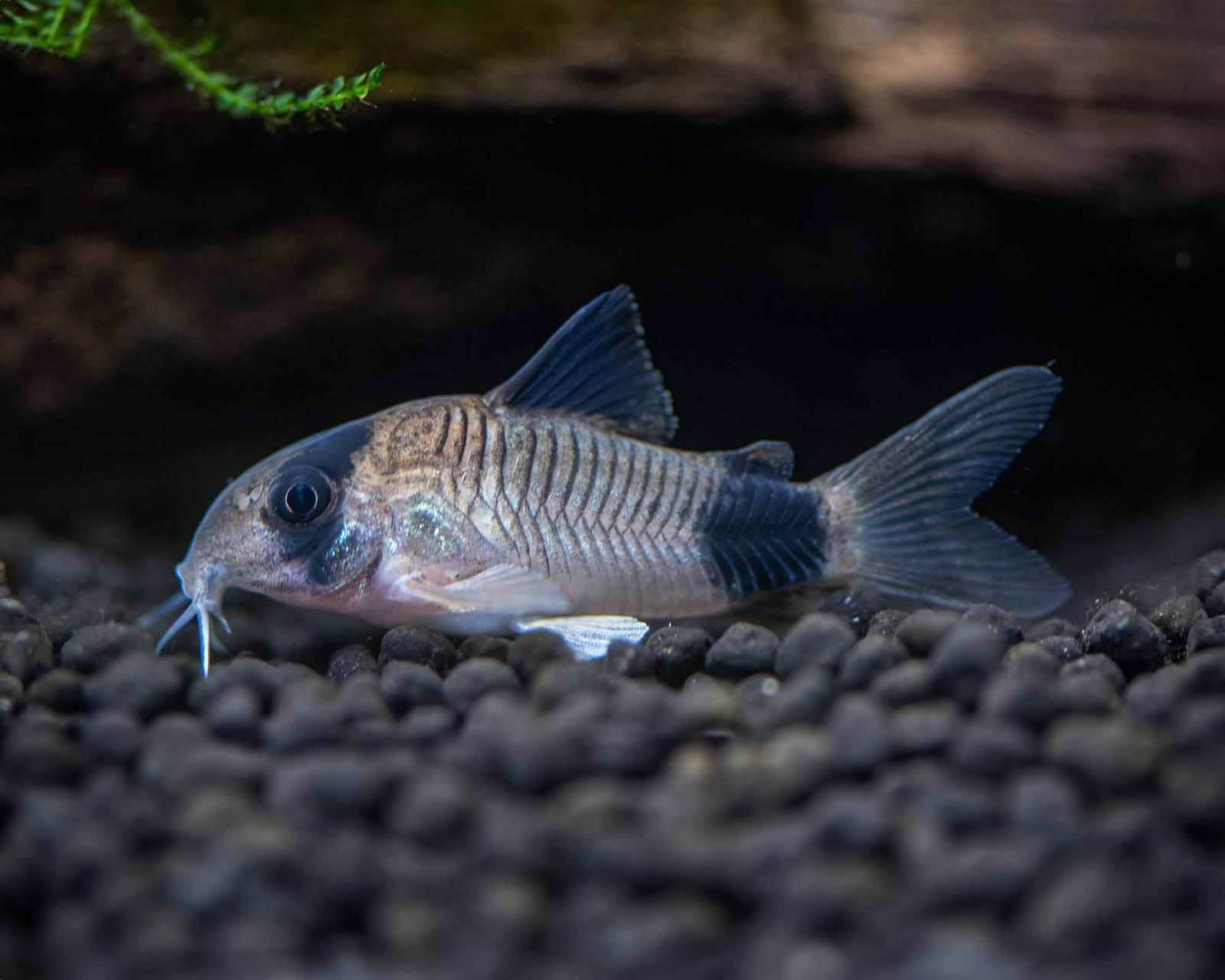
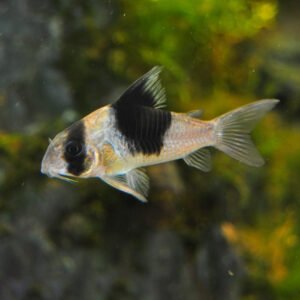
- Their unique black-and-white pattern makes them a favorite among aquarists and collectors.
Care Summary
| Aspect |
Details |
| Tank Size |
20 gallons minimum for a group of 5–6 |
| Water Parameters |
pH 6.0–7.5, 72–78°F, soft water |
| Diet |
Omnivorous: sinking pellets, live/frozen foods |
| Temperament |
Peaceful and social |
| Lifespan |
8–10 years |
The Corydoras CW169 is a delightful and active addition to any peaceful freshwater aquarium. With proper care, they will reward you with their engaging behavior and stunning appearance for years to come.

Reviews
There are no reviews yet.